MSc Thesis Opportunities at AFI-Lab
AFI-Lab offers a wide range of master’s thesis topics structured across three main research areas, reflecting the lab’s expertise in agricultural engineering, sustainability, and digital innovation. These areas cover the development and evaluation of advanced agricultural systems, combining field experimentation, laboratory analysis, and data-driven approaches.
The topics are grouped to help you easily identify the field that best matches your interests and background. Select a sector to discover the available thesis topics and learn more about the specific research opportunities within each area.
Sector 1 – Agricultural Engineering and Mechanization
Fossil-Free Orchard Farming – Evaluation of electrification potential in the apple production chain from a technological perspective
Topic
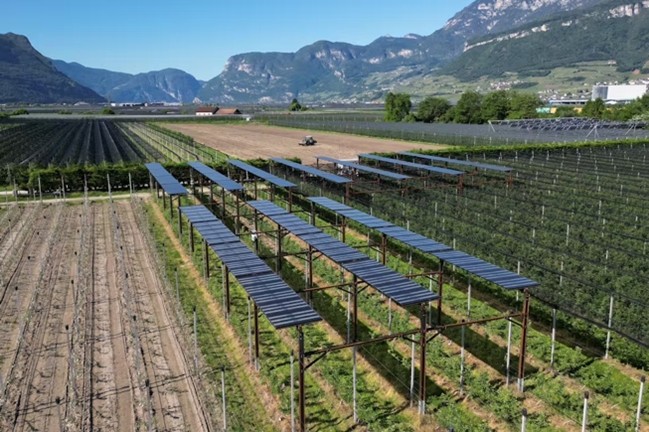
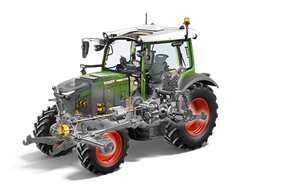
The work is being carried out as part of a cooperation project with the Laimburg Research Centre at the state-owned farm “Bauernhof Binnenland Binnenland 1, 39040 Auer”. The production system under investigation is apple cultivation. All drive units (tractors and equipment) are equipped with measuring devices to determine the actual energy consumption of individual process steps online to record peak loads with high temporal and spatial resolution and average consumption. Based on this data, potential analyses will be carried out to provide information about the possibilities and limitations of replacing fossil fuel drives with electric drives in the future, as well as to determine the necessary photovoltaic capacities.
Tasks
- Installation of measurement technology in collaboration with members of the AFIL team
- Conducting tests for data collection and recording
- Evaluation of data obtained and calculation of performance profiles for mechanical sub-processes in apple cultivation
- Calculation of potential for the electrification of drive units based on the performance profiles determined
- Writing of the master’s thesis
Qualification
- Completed a bachelor’s degree in in agricultural or engineering sciences.
- Skills in data management and statistical data analysis.
Requirements
- Willingness to accompany field trials on the farm
- Interest in technical issues and related scientific tasks
- Publishing in scientific journals and writing your doctoral thesis
Supervision
Univ. Prof. Dr. Andreas Gronauer, N.N. “Electronics engineer”, Francesco Nicolosi
Smart Orchard Farming – Evaluation of digitalization technologies in the apple production chain from a technological perspective
Topic
The work is being carried out as part of a cooperation project with the Laimburg Research Centre at the state-owned farm “Bauernhof Binnenland
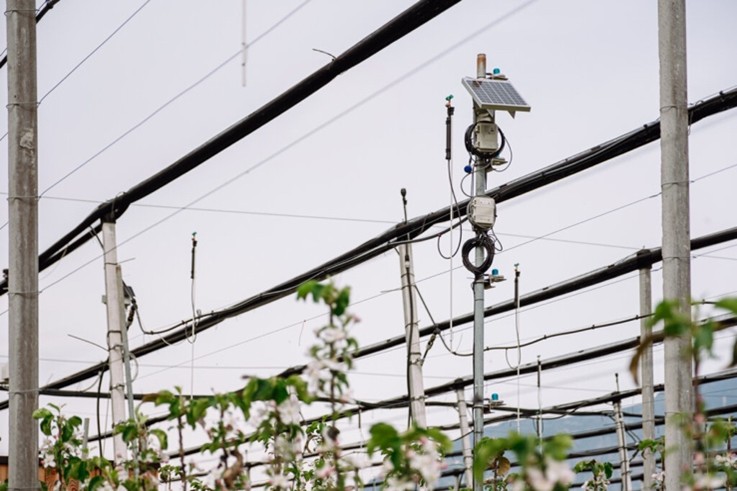
Binnenland 1, 39040 Auer”. The production system under investigation is apple cultivation. All drive units (tractors and equipment) will be analysed for their upgradeability with sensor technology, information, and telecommunications equipment, and possibilities for digitization and automation are presented and evaluated based on production technology and work management characteristics.
Tasks
Analysis of the possibilities of mechanical sub-processes and their determining parameters in apple cultivation about the use of various sensor systems, integration of external information, and integration into a database-linked FIMS. This is based on a fundamental and comprehensive literature study and the evaluation of monitoring data from the above-mentioned Laimburg Research Center.
Qualification
- Completed a bachelor’s degree in agricultural, environmental, or engineering sciences
- Basic knowledge of agriculture and related processes, especially in orchard farming Skills in data management and statistical data analysis
Requirements
- Willingness to accompany field trials on the farm
- Interest in technical issues and related scientific tasks
- Interest in smart farming technologies
- Writing the master thesis
Supervision
Univ. Prof. Dr. Andreas Gronauer, N.N. “Electronics engineer”, Francesco Nicolosi
Fossil-Free Viticulture Farming – Evaluation of electrification potential in the vineyard production chain from a technological perspective
Topic
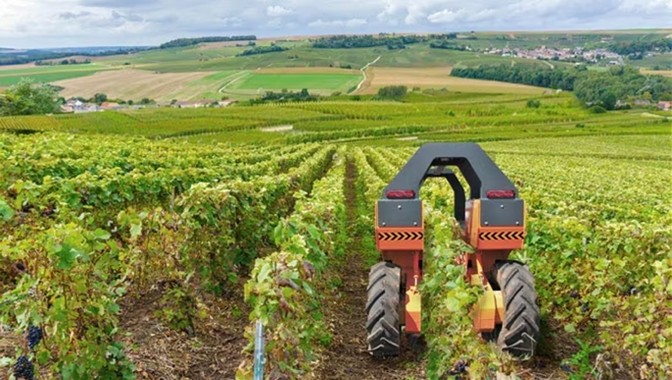
The work is being carried out as part of a cooperation project with a wine-growing business. All drive units (tractors and equipment) are equipped with measuring devices to determine the actual energy, time, and operating resource consumption of individual process steps online to record peak loads with high temporal and spatial resolution and average consumption. Based on this data, potential analyses will be carried out to provide information about the possibilities and limitations of replacing fossil fuel drives with electric drives in the future, as well as to determine the potential for optimization.
Task
- Installation of measurement technology in collaboration with members of the AFIL team
- Conducting tests for data collection and recording
- Evaluation of data obtained and calculation of performance profiles for mechanical sub-processes in winegrowing
- Calculation of potential for the electrification of drive units based on the performance profiles determined
- Publishing in scientific journals and writing your doctoral thesis
Qualification
- Completed a bachelor’s degree in agricultural, environmental or engineering sciences
- Basic knowledge of agriculture and related processes
- Skills in data management and statistical data analysis
Requirements
- Willingness to accompany field trials on the farm
- Interest in technical issues and related scientific tasks
- Publishing in scientific journals and writing your doctoral thesis
Supervision
Univ. Prof. Dr. Andreas Gronauer, N.N. “Electronics engineer”, Francesco Nicolosi
Smart Viticulture Farming – Evaluation of digitalization technologies in the vineyard production chain from a technological perspective
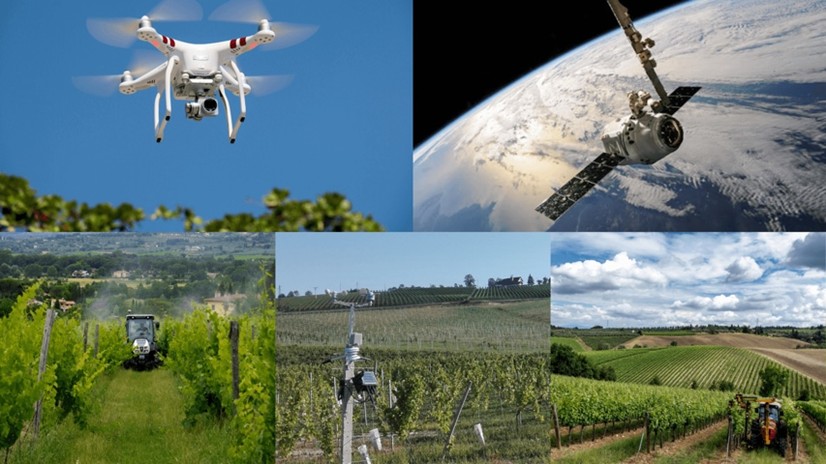
Topic
The work is being carried out as part of a cooperation project with a wine-growing business. All drive units (tractors and equipment) are being analysed about their upgradeability with sensor technology, information, and telecommunications equipment, and possibilities for digitization and automation are being presented and evaluated based on the production technology and work management characteristics.
Task
- Analysis of the possibilities of mechanical sub-processes and their determining parameters in viticulture about the use of various sensor systems,
- Integration of external information, and integration into a database-linked FIMS. Development of a FIMS based on a fundamental and comprehensive literature study and the evaluation of monitoring data from the above-mentioned partner company.
- Publishing in scientific journals and writing your doctoral thesis
Qualification
- Completed a bachelor’s degree in agricultural, environmental, or engineering sciences
- Basic knowledge of agriculture and related processes, especially in vineyard farming
- Skills in data management and statistical data analysis
Requirement
- Willingness to accompany field trials on the farm
- Interest in technical issues and related scientific tasks
- Interest in smart farming technologies
Supervision
Univ. Prof. Dr. Andreas Gronauer, N.N. “Electronics engineer”, Francesco Nicolosi
Smart Dairy Farming – Evaluation of digitalization technologies in the entire dairy production chain from a technological perspective
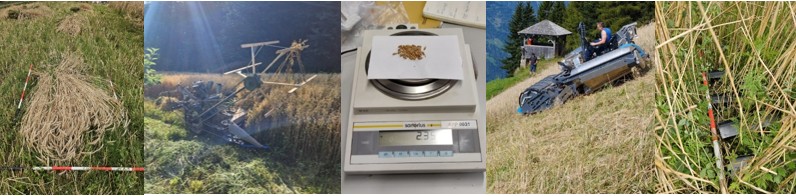
Measuring Machine Efficiency and Harvest Losses of Cereal Harvesting Prototypes Working on Mountain Terrains: Field Data Collection and Laboratory Data Analysis
Topic
South Tyrol used to have significant production of cereals in mountain areas on inclined field plots. Unbiz AFI-Lab at NOI-TechPark is engaging to develop machinery that supports the cultivation of cereals in mountain areas. For this aim, the AFI-Lab is testing various new and retrofitted old agricultural machinery on parameters as consumption, speed, harvest losses and others. These tests are done both, in the field during harvest and at the AFI-Laboratory.
These activities run in the framework of the INTERREG project CEREALP.
Tasks
CEREALP welcomes bachelor’s or master’s theses that are relevant to its activities. There are numerous opportunities to collect and analyze data suitable for scientific work. The respective projects may include the following tasks:
- Methodical sampling from the field during harvest and precise processing in the laboratory
- Analyzing samples and extract relevant data accurately by following a determined methodology
- Discussing the data and drawing conclusions regarding machine efficiency/ the working process
- Storing different types of data and publishing results
Qualifications
This thesis project can be approached either as bachelors or as master thesis. Basic knowledge of agriculture, agricultural machinery and related processes is desirable.
Requirements
- Motivation to assist at field trials on farm in South Tyrol and laboratory work at AFI-Lab
- Interest in technical issues and related scientific tasks
- Interest in new and old farming technologies
Supervision
Near and Remote Sensing for Yield Estimation and Harvest losses in Small-Scale Cereal Cultivation in Mountain Areas
Topic
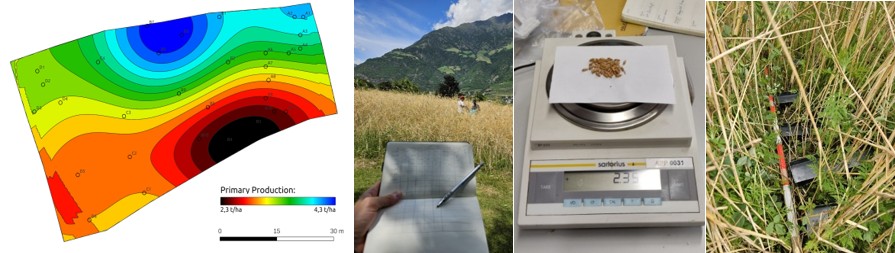
South Tyrol used to have significant production of cereals in mountain areas on inclined field plots. Unbiz AFI-Lab at NOI-Tech Park is engaging to develop machinery that supports the cultivation of cereals in mountain areas. For this aim, the AFI-Lab is testing various new and retrofitted old agricultural machinery on different parameters. The focus lies on measuring accurately harvest losses. For this reason, field productivity (primary production) must be measured too. To establish a precise picture of field productivity, various measures are taken, with both, samples from the field as well as through scans taken by drones or satellites.
These activities run in the framework of the INTERREG project CEREALP.
Task
CEREALP welcomes bachelor’s or master’s thesis that are relevant to its activities. There are numerous opportunities to collect and analyse data suitable for scientific work. The respective projects may include the following tasks:
- Methodical sampling from the field during harvest and precise processing in the laboratory
- Analysing samples in the laboratory and extract relevant data accurately by following a determined methodology
- Collecting data from drone flights or satellite sources
- Storing different types of data and publishing results
Qualification
- This thesis project can be approached either as bachelor’s or as master thesis
- Basic knowledge of agriculture, agricultural machinery and related processes is desirable
Requirement
- Motivation to assist at field trials on farms in South Tyrol and laboratory work at AFI-Lab
- Interest in agricultural production processes and related technical and scientific aspects
Supervision
Prof. F. Mazzetto, Prof. Dr. Andreas Gronauer, Dr. A. Mandler, Dr. G. Carabin
Smart Forestry systems – calibration and evaluation of a safety device for the online measurement of the skyline force
Topic
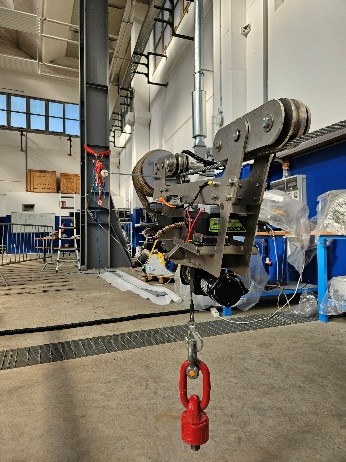
This work is related to the development of an integrated safety system for cable yarding forestry carriages. Specifically, it concerns a system capable of measuring, in real time, the tension present in the supporting cable (i.e., the skyline) through indirect measurements taken by the carriage itself. This will enable the implementation of automatic safety management strategies for the carriage: stopping the carriage in case of danger and allowing only reverse movement, or in less severe cases, limiting its speed.
Tasks
The activity involves conducting experimental tests in a controlled environment to calibrate and validate the developed system. Specifically, a new experimental facility for testing forestry cable systems will be used, located in the Afilab laboratory at the B5 building of the NOI Techpark. The work will include performing a series of measurements of the force in the skyline cable using a dynamometer and comparing these values with those estimated by the developed algorithm. This must be done under different configurations, considering line slope, position along the line, and transported load. The outcome will be the creation of a calibration map for the device.
Qualification
- Completed a master’s degree in agricultural or engineering sciences
- Basic skills in data management and statistical data analysis
- Basic knowledge of forestry harvesting technologies
Requirements
- Willingness to participate in the lab test campaign
- Interest in technical challenges and related scientific tasks
- Interest in smart forestry technologies
Supervision
Sector 2 – Evaluation of agricultural production processes by Life Cycle Assessment (LCA)
Fossil-Free Orchard Farming – Comparison of traditional and electric powered production systems by LCA (MSc)
Topic
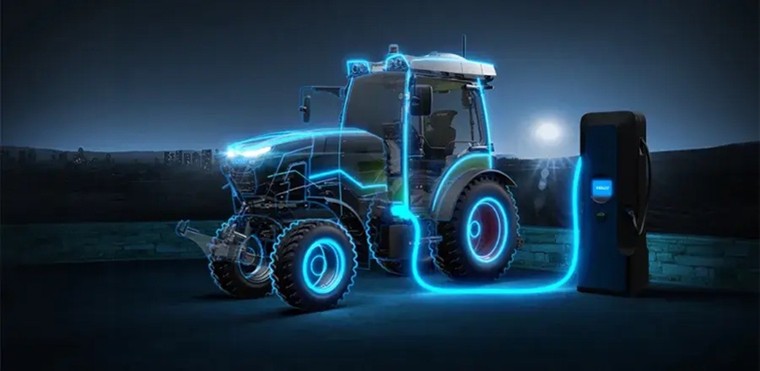
The work is being carried out as part of a cooperation project with the Laimburg Research Centre at the state-owned farm “Bauernhof Binnenland, Binnenland 1, 39040 Auer”. The production system under investigation is apple cultivation. The machine data collected in operational monitoring campaigns (2026-2028) for all tractors and implements, as well as their power consumption, will enable the sub-processes to be balanced in several impact factors, like for e.g., terms of energy consumption and CO2 equivalent emissions.
Based on this data, comparative analyses of the fossil fuel and photovoltaic-based energy systems for apple production will be carried out, providing information on the potential savings and contribution to climate protection. Furthermore, these data will be used to draw an economic comparison.
Tasks
- Conducting tests for data collection and recording
- Training in LCA software (openLCA) and database management under supervision
- Evaluating the data obtained using openLCA and comparative assessment of energy and CO2-balances as well as LCC
- Publishing in scientific journals and writing your doctoral thesis
Qualification
- Completed a bachelor’s degree in agricultural, environmental, or engineering sciences
- Basic knowledge of agriculture and related processes
- Skills in data management and statistical data analysis
Requirements
- Interest in learning about the LCA methodology and the openLCA software under supervision
- Interest in technical issues and related scientific tasks
- Interest in assessing the environmental impact of agricultural systems
Supervision
Smart Orchard Farming – Evaluation of digitalization technologies in the entire apple production chain by LCA
Topic
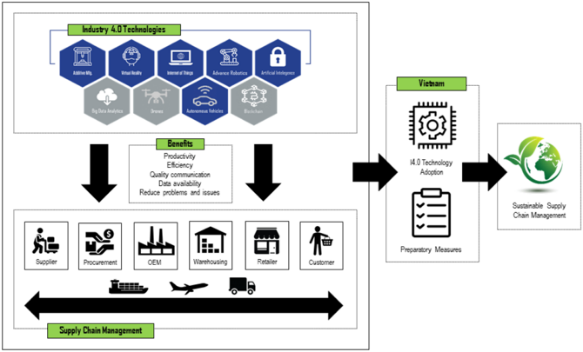
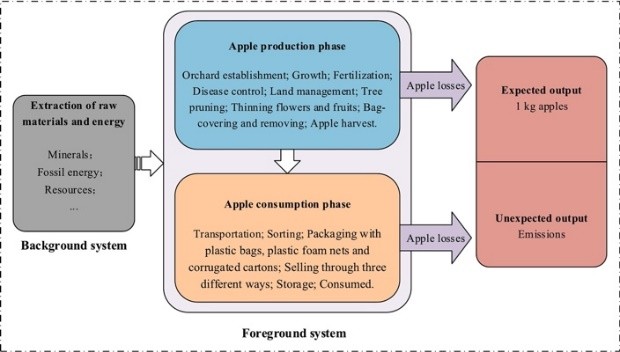
This work will focus on identifying effective smart agriculture management approaches, integrating experimental data on process performance from previous or concurrent projects, and targeted acquisitions. Following the evaluation and selection of optimal technologies and management strategies, processes will be delineated into individual flows to enable a comprehensive analysis of each component within the production chain using Life Cycle Assessment (LCA) methodology. The study will subsequently determine the most critical processes, as well as the most advantageous solutions for minimising environmental impacts and containing production and investment costs.
Depending on the data at hand and the interest of the candidate, the value chain could also be designed to include the transformation of apples into further products, as well as focusing on different solutions to byproducts valorisation in a circular economy perspective.
Tasks
- Assistance in conducting experiments for data collection and recording
- Training in LCA software (openLCA) and database management under supervision
- Evaluation of LCA’s and economic results, and comparative assessment of different alternative solutions identified
- Publishing in scientific journals and writing your doctoral thesis
Qualification
- Completed a bachelor’s degree in agricultural, environmental, food sciences or engineering sciences
- Basic knowledge of agriculture, food technology and related processes
- Skills in data management and statistical data analysis
Requirements
- Interest in learning LCA methodology and how to use the openLCA software under supervision
- Interest in technical issues and related scientific tasks
- Interest in assessing the environmental impact of agri-food value chains
Supervision
Fossil-Free Viticulture Farming – Comparison of traditional and electric powered production systems by LCA
Topic
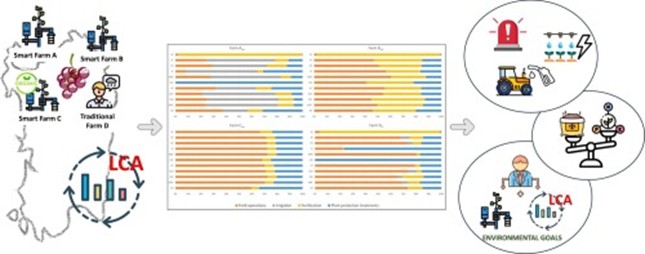
The work is being carried out as part of a cooperation project with a wine-growing business. The machine data collected in operational monitoring campaigns (2026-2028) for all tractors and implements, as well as their power consumption, will enable the sub-processes to be balanced in several impact factors, like for e.g. terms of energy consumption and CO2 equivalent emissions.
Based on this data, comparative analyses of the fossil fuel and photovoltaic-based energy systems used for production will be carried out, providing information on the potential savings and contribution to climate protection. Furthermore, these data will be used to draw an economic comparison.
Tasks
- Conducting tests for data collection and recording
- Training in LCA software (openLCA) and database management under supervision
- Evaluating the data obtained using openLCA and comparative assessment of energy and CO2 balances as well as LCC
- Publishing in scientific journals and writing your doctoral thesis
Qualification
- Completed a bachelor’s degree in agricultural, environmental, or engineering sciences
- Basic knowledge of agriculture and related processes, especially in vineyard farming
- Skills in data management and statistical data analysis
Requirement
- Interest in learning about the LCA methodology and the openLCA software under supervision
- Interest in technical issues and related scientific tasks
- Interest in assessing the environmental impact of agricultural systems
Supervision
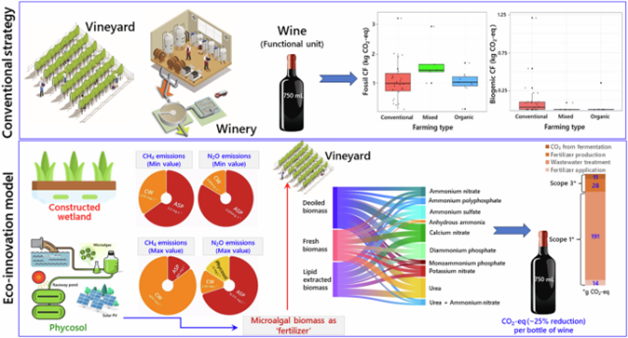
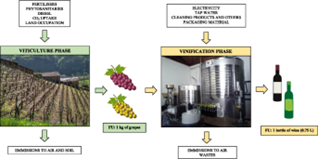
Smart Viticulture Farming – Evaluation of digitalization technologies in the entire vineyard production chain by LCA
Topic
This work will focus on identifying effective smart agriculture management approaches, integrating experimental data on process performance from previous or concurrent projects, and targeted acquisitions. Following the evaluation and selection of optimal technologies and management strategies, processes will be delineated into individual flows, enabling a comprehensive analysis of each component within the production chain using the Life Cycle Assessment (LCA) methodology. The study will subsequently determine the most critical processes, as well as the most advantageous solutions for minimising environmental impact and containing production and investment costs.
Depending on the data at hand and the interest of the candidate, the value chain could be designed to include the transformation of grapes into further products, as well as focusing on different solutions to byproducts’ valorization in a circular economy perspective.
Tasks
- Assistance in conducting experiments for data collection and recording
- Training in LCA software (openLCA) and database management under supervision
- Evaluation of LCA’s and economic results and comparative assessment of different alternative solutions identified
- Publishing in scientific journals and writing your doctoral thesis
Qualification
- Completed a bachelor’s degree in agricultural, environmental, food sciences or engineering sciences
- Basic knowledge of agriculture and food technologies and related processes
- Skills in data management and statistical data analysis
Requirements
- Interest in learning LCA methodology and how the openLCA software works under supervision
- Interest in technical issues
- Interest in assessing the environmental impact of agri-food value chains
Supervision
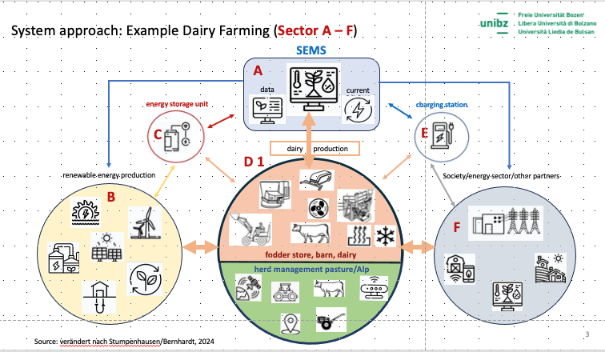
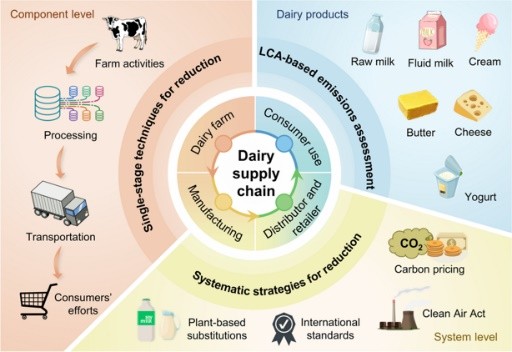
Smart Dairy Farming – Evaluation of digitalization technologies in the entire dairy production chain by LCA
Topic
This work will focus on identifying effective smart dairy management approaches, integrating experimental data on process performance from previous or concurrent projects, and targeted acquisitions. Following the evaluation and selection of optimal technologies and management strategies, processes will be delineated into individual flows to enable a comprehensive analysis of each component within the production chain using Life Cycle Assessment (LCA) methodology. The study will subsequently determine the most critical processes, as well as the most advantageous solutions for minimising environmental impact and containing production and investment costs.
The focus will be on dairy systems, including various dairy products and their distribution. Depending on the data at hand and the candidate’s interests, the value chain could be designed to include different transformations of milk into further products, delivered as dairy products to the final consumer, as well as focusing on different solutions for valorising byproducts in a circular economy perspective.
Tasks
- Assistance in conducting experiments for data collection and recording
- Training in LCA software (openLCA) and database management under supervision
- Evaluation of LCA’s and economic results and comparative assessment different alternative solution identified
- Publishing in scientific journals and writing your doctoral thesis
Qualification
Completed a bachelor’s degree in agricultural, animal production, food science, environmental, or engineering sciences. Basic knowledge of agriculture, animal production, food technologies, and related processes. Skills in data management and statistical data analysis
Requirements
- Interest in learning LCA methodology and using the openLCA software under supervision.
- Interest in technical issues and related scientific tasks
- Interest in assessing the environmental impact of dairy value chains
Supervision
Sector 3 – Agricultural Engineering and Rural Constructions
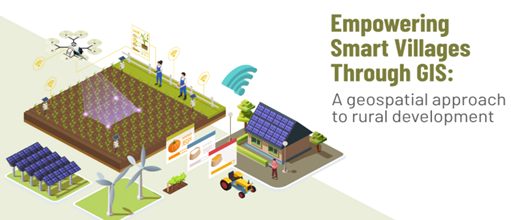
Rural Construction design and territorial framing via Geographic Information Systems (GIS)
Topic
This work will focus on the design of rural constructions via technical drawing software and the framing of the projects in the landscape via GIS software. The project will focus on the design of new buildings (e.g., dairy cattle or poultry farms, hay or forage drying barns) or the adaptation of existing ones with emphasis on the landscape framework, and the landscape and environmental sustainability.
Tasks
- Design rural buildings via technical drawing (e.g., Autodesk AutoCAD)
- GIS-based territorial analysis
- Framing the project in the territory, with a compatibility analysis based on the surrounding landscape, environmental framework (e.g., soil type or availability/endangering of water resources)
Qualification
- Completed a master’s degree in agricultural, environmental, geological, or engineering sciences
- Basic knowledge of GIS systems and technical drawing (e.g., AutoCAD)
- Basic knowledge of smart livestock farming technologies
Requirements
- Interest in learning how to design and manage rural buildings within a GIS environment
- Interest in technical issues and related scientific tasks
- Interest in assessing the landscape and environmental impact of rural buildings
Supervision
Rural Construction design via BIM (Building Information Modeling)
Topic
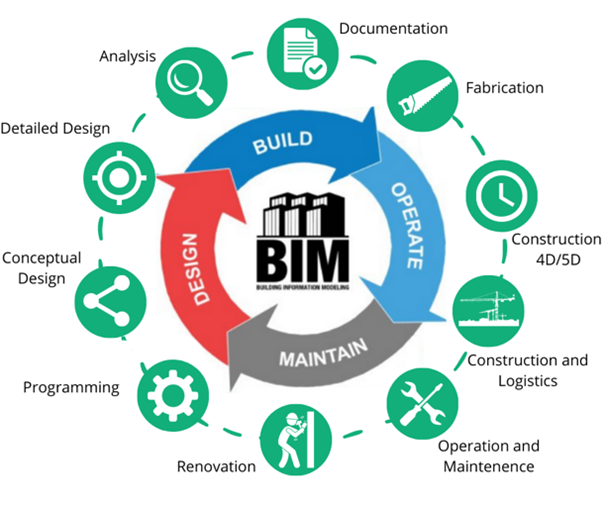
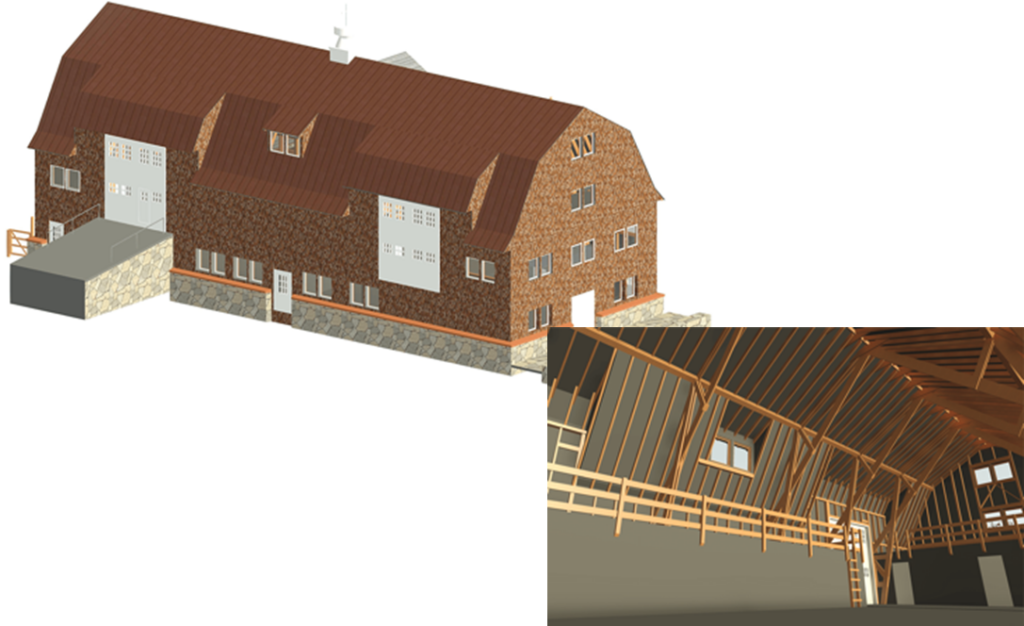
This work will focus on the design of rural constructions via Building Information Modeling (BIM). The project will focus on the design of new buildings (e.g., dairy cattle or poultry farms, hay or forage drying barns) with a primary emphasis on designing facilities for the efficient management of productive processes.
Tasks
- Design rural buildings in a BIM environment (e.g., Autodesk REVIT)
- Design of the facilities
- A priori evaluation of the design performances under various criteria (building structure and landscape sustainability, productivity and best management practices, profitability, water and waste management, animal welfare etc)
Qualification
- Completed a bachelor’s degree in agricultural, animal production, environmental, or engineering sciences
- Basic knowledge of agriculture/animal production and related processes
- Knowledge of smart livestock farming technologies
- Skills in technical drawing (e.g. AutoCAD) are preferable
Requirement
- Interest in learning how to design and manage rural buildings within a BIM environment
- Interest in technical issues and related scientific tasks
- Interest in assessing the environmental impact of dairy systems
Supervision
Optimization of the design of rural constructions via Machine-Learning algorithms
Topic
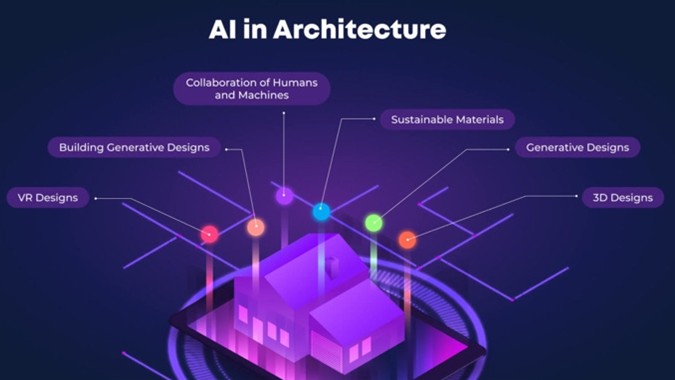
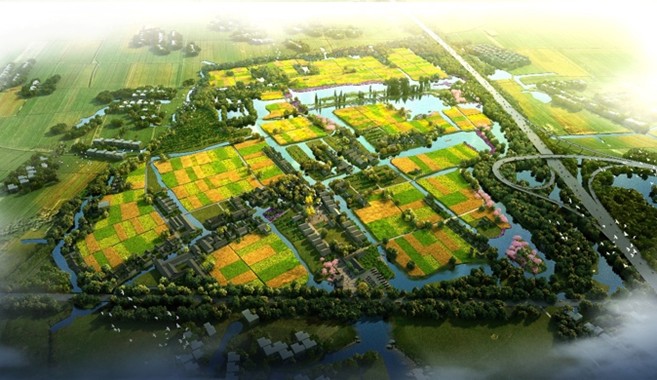
This work will focus on the design of rural constructions via technical drawing software. The project will focus on the design of new buildings (e.g., dairy cattle or poultry farms, hay or forage drying barns) with a primary emphasis on the optimization of the design (e.g., aeration system, wastewater system, structural stability) via Machine-Learning (ML) algorithms.
Tasks
- Multi-scenario design of rural buildings in a drawing software environment (e.g., Autodesk AutoCAD)
- Optimization of the design’s features via ML algorithms
- A priori evaluation of the design performances to seek the best design setup under proper criteria
Qualification
- Completed a master’s degree in agricultural, environmental, computer, or engineering sciences
- Basic knowledge of agriculture/animal production and related processes
- Knowledge of smart livestock farming technologies
- Skills in technical drawing (e.g., AutoCAD) and/or programming are preferable
Requirement
- Interest in learning how to design and manage rural buildings within a BIM environment
- Interest in coding in an ML environment
Supervision